🌟 Welcome to VBR Realestate Hub 🌟

sandalwood farming India post
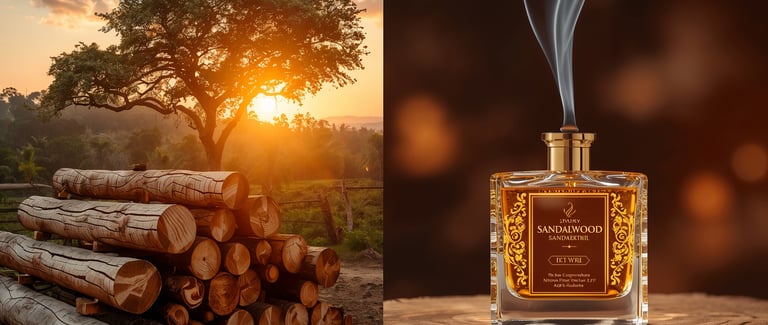
Sandalwood is one of the most valuable and famous trees in the world. It is known for its pleasant fragrance, medicinal properties, and high market value. The scientific name of Indian sandalwood is Santalum album, and it is considered one of the finest aromatic woods available globally.
SANDAL WOOD DEMAND
T. S. Kumar
4/7/20264 min read

🌿 Sandalwood: A Precious Gift of Nature with Global Value
Introduction
Sandalwood is one of the most valuable and famous trees in the world. It is known for its pleasant fragrance, medicinal properties, and high market value. The scientific name of Indian sandalwood is Santalum album, and it is considered one of the finest aromatic woods available globally.
For centuries, sandalwood has been used in religious rituals, perfumes, cosmetics, medicines, and luxury products. Even today, it remains one of the most demanded natural resources, especially in countries like India, China, the United States, and Europe.
Sandalwood is not just a tree—it is a symbol of tradition, spirituality, and wealth. Due to its slow growth and limited supply, it is also one of the most expensive woods in the world.
🌿 What Makes Sandalwood Special?
Sandalwood is unique because:
It has a long-lasting fragrance that can remain for decades
It produces valuable essential oil (sandalwood oil)
It is used in religion, medicine, and beauty industries
It grows slowly but becomes highly valuable over time
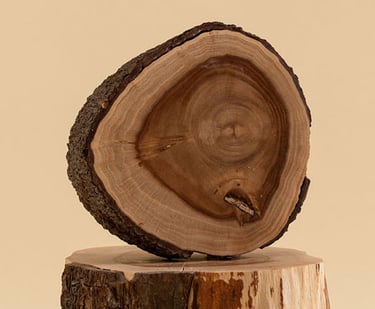
The heartwood (inner part of the tree) is the most valuable portion, as it contains the oil and fragrance.

Uses of Sandalwood
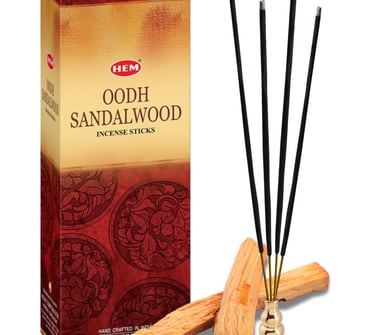
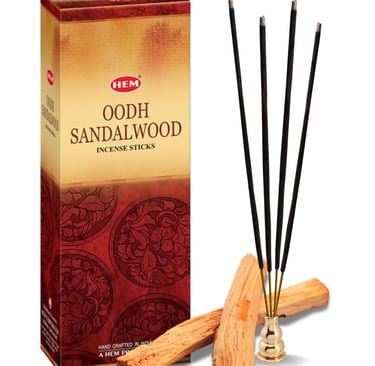
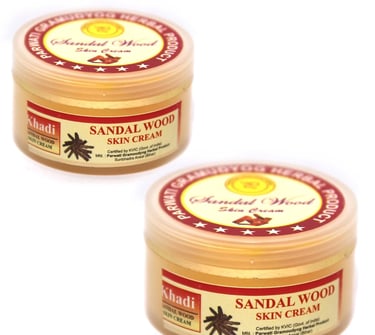
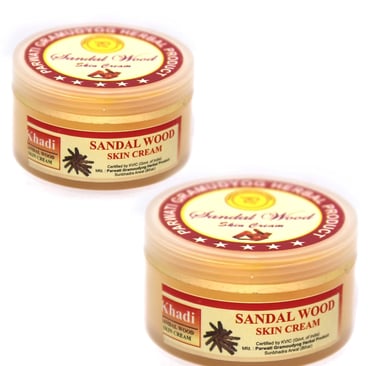
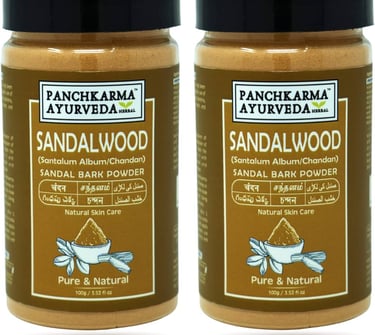
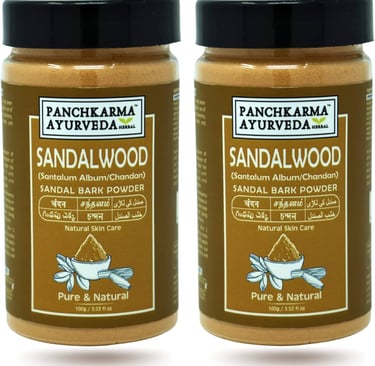
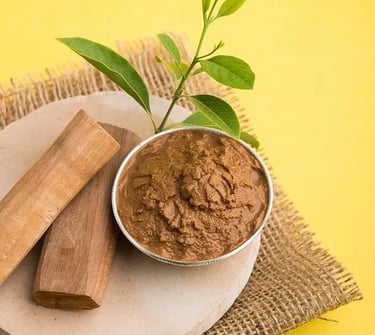
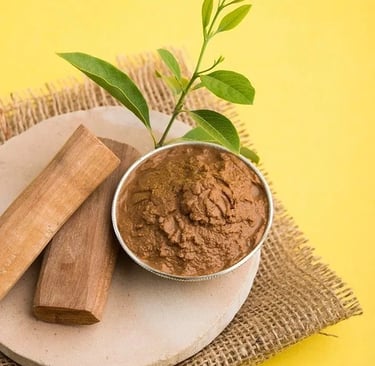
Sandalwood is widely used across different industries. Let us explore its major uses
1. Religious and Spiritual Uses
In India and many Asian countries:
Sandalwood paste is applied during पूजा (worship)
Used in temples and rituals
Incense sticks (agarbatti) contain sandalwood fragrance
It is considered sacred and calming.
2. Perfumes and Fragrance Industry
Sandalwood oil is a key ingredient in:
Luxury perfumes
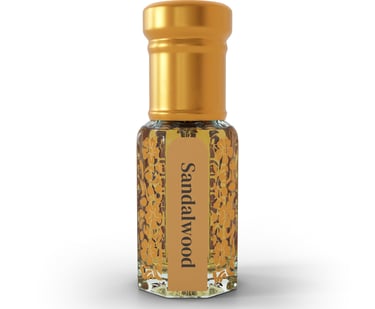
Attars (traditional fragrances)
Scented candles
Its woody and soothing aroma makes it highly valuable in the fragrance industry.
3. Cosmetics and Skincare
Sandalwood is used in:
Face creams
Soaps
Lotions
Anti-aging products
It helps:
Reduce acne
Improve skin glow
Provide cooling effect
4. Medicinal Uses (Ayurveda)
In traditional medicine:
Used to treat skin diseases
Helps in stress relief
Acts as antiseptic and anti-inflammatory
It is also used in aromatherapy for relaxation.
5. Woodcraft and Handicrafts
Sandalwood is used to make:
Carvings
Statues
Decorative items
Its fragrance and smooth texture make it perfect for artistic products.
6. Essential Oil Industry
Sandalwood oil is one of the most expensive essential oils in the world. It is used in:
Aromatherapy
Medicines
Cosmetics
🌱 Sandalwood Cultivation in India
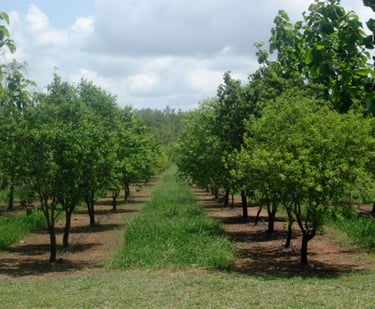
India is the home of the best quality sandalwood, especially Santalum album.
Major Cultivation States
Sandalwood is grown in:
Karnataka – Largest producer
Tamil Nadu
Andhra Pradesh (famous for red sandalwood)
Kerala
Telangana
Maharashtra (in small quantities)
Growing Conditions
Sandalwood grows best in:
Tropical and subtropical climates
Well-drained soil
Moderate rainfall
It is a semi-parasitic plant, meaning it depends on host plants for nutrients.
Cultivation Process (Simple Steps)
1. Select healthy seeds or saplings
2. Plant along with host plants (like pigeon pea, neem)
3. Maintain spacing and irrigation
4. Protect from pests and theft
5. Harvest after 10–15 years
Sandalwood takes time, but it gives high returns.
🌍 Global Demand for Sandalwood
Sandalwood is in high demand worldwide.
Market Demand:
Global demand: 10,000–20,000 metric tons annually
Supply is limited, creating high prices
Demand continues to grow due to natural products trend
Market Growth
Market expected to reach $583 million by 2031
Sandalwood products market may reach $2.9 billion by 2033
Growth driven by:
Cosmetics industry
Aromatherapy
Organic lifestyle trends
Major Importing Countries
United States
France
China
Middle East countries
These regions demand sandalwood for perfumes and luxury products.
💰 Why Sandalwood is So Expensive
Limited supply
Slow growth (10–15 years)
High demand globally
Valuable oil content
Legal restrictions on cutting
✅ Advantages (Pros) of Sandalwood
🌟 High Profit Potential
One of the most valuable woods
Long-term investment with high returns
🌟 Growing Global Demand
Increasing use in cosmetics and wellness industries
🌟 Multi-purpose Use
Used in medicine, perfumes, religion, and art
🌟 Eco-Friendly Crop
Can be grown in agroforestry systems
❌ Disadvantages (Cons) of Sandalwood
⚠️ Long Growth Period
Takes 10–15 years to harvest
⚠️ Legal Restrictions
Government regulations for cutting and selling
⚠️ Theft Risk
High value attracts illegal cutting and smuggling
⚠️ Initial Investment
Requires patience and proper care
⚠️ Market Challenges
Farmers sometimes face difficulty finding buyers (as seen in some regions)
🌿 Sandalwood Products in the Global Market
Here are popular sandalwood-based products available worldwide:
🧴 Personal Care Products
Sandalwood soaps
Face creams
Body lotions
Face packs
🌸 Fragrance Products
Sandalwood perfumes
Attars
Incense sticks
Scented candles
🧪 Essential Oils
Pure sandalwood oil
Aromatherapy oils
🪵 Wood Products
Carvings
Statues
Decorative items
💊 Herbal & Ayurvedic Products
Sandalwood powder
Medicinal oils
Herbal pastes
📈 Future of Sandalwood
The future of sandalwood looks very promising:
Increasing demand for natural and organic products
Rising awareness of wellness and aromatherapy
Strong growth in cosmetics industry
Investment opportunities in plantation farming
However, sustainable cultivation and government support are important for long-term success.
🎯 Conclusion
Sandalwood is truly a golden tree of nature. It has been valued for centuries and continues to be in high demand across the world. From temples to luxury perfumes, from Ayurveda to modern skincare, sandalwood plays an important role in human life.
In India, sandalwood cultivation offers a great opportunity for farmers and investors. But it requires patience, proper knowledge, and legal awareness.
With rising global demand and limited supply, sandalwood will remain one of the most valuable natural resources in the future.

To Know more & About Advantage to Invest in Sandalwood Plots InIndia Telangana State, Click below link one by one.
https://www.vbrproductshub.com/-go-ranch-resorts-where-smart-investment-meets-family-happiness
https://www.vbrproductshub.com/usm-infra-company-profile-and-project-details
https://www.vbrproductshub.com/-how-to-reach-go-ranch-resorts-from-anywhere-in-india
At VBR Real Estate Hub (Resorts & Villas), trust is something we earn every day—through dependable service, transparent dealings, and a genuine commitment to caring for your investment and lifestyle.
sampath@vbrproductshub.com
© 2025. All rights reserved.